

Best Bandsaw Blade
Find a bandsaw blade for structural steel in Denver. Rocky Mountain.
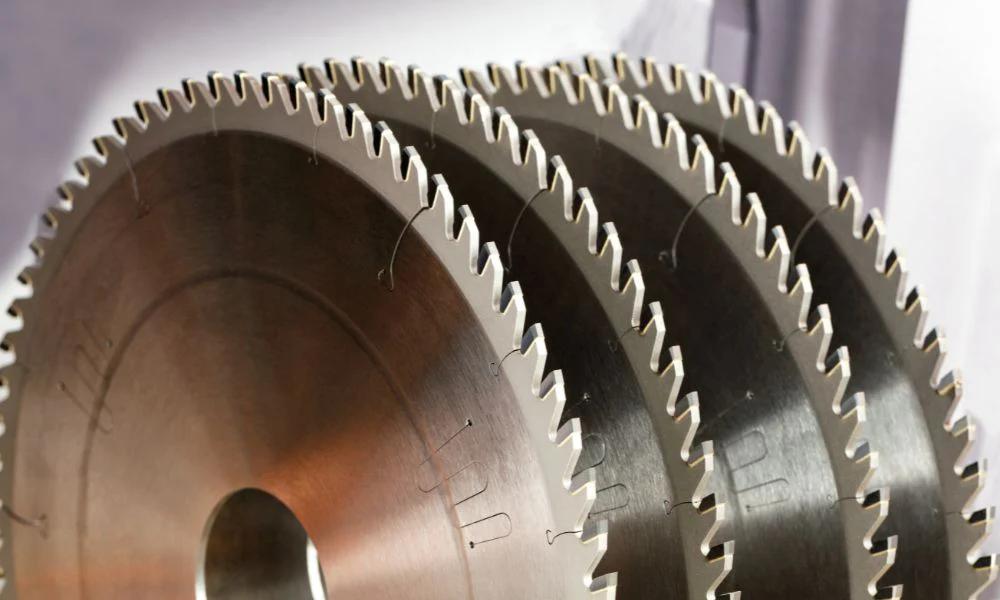
Bandsaw cutting performance depends on far more than simply choosing the right blade. Even premium metal cutting bandsaw blades can fail prematurely or produce poor-quality cuts when speed and feed settings are incorrect. In fabrication shops, machine shops, steel service centers, and industrial manufacturing facilities, improper bandsaw speed and feed rates are among the most common causes of reduced blade life, excessive heat buildup, crooked cuts, tooth stripping, vibration, and costly downtime. Optimizing cutting parameters is critical for improving production efficiency, extending blade performance, reducing scrap, and maximizing return on investment across industrial sawing operations.
Rocky Mountain Saw Blades works with fabrication facilities and industrial manufacturers to help optimize bandsaw speed and feed settings for a wide range of metal cutting applications, including stainless steel, carbon steel, aluminum, structural material, tool steel, and specialty alloys. Whether operating horizontal bandsaws, vertical saws, automatic production saws, or heavy-duty industrial band saw machines, understanding how speed and feed interact can dramatically improve overall cutting performance. Using a proper bandsaw speed and feed chart helps operators match cutting conditions to specific materials, blade types, and production goals while reducing unnecessary wear and machine stress.
Bandsaw cutting performance is controlled primarily by two variables: blade speed and feed rate. While these settings work together, they control different aspects of the cutting process and must be balanced carefully for optimal results.
Blade speed refers to:
Feed rate refers to:
Many operators mistakenly adjust only one setting while ignoring the other. However, proper cutting performance requires balancing both speed and feed based on:
Incorrect speed and feed settings are among the leading causes of poor sawing performance. Running a blade too fast may generate excessive heat, dull teeth prematurely, and damage cut surfaces. Running too slowly may reduce productivity while encouraging work hardening on stainless steel and specialty alloys.
Improper feed rates create additional problems. Excessive feed pressure may strip teeth or overload the blade, while insufficient feed may cause tooth rubbing, vibration, and heat buildup.
Common symptoms of incorrect speed and feed settings include:
According to Sawing Productivity Magazine, many industrial shops lose significant productivity because operators rely on generic speed settings rather than optimizing cutting parameters for specific materials and blade configurations.
Understanding how blade speed and feed rates affect cutting performance is essential for improving both production efficiency and blade longevity.
While exact settings vary based on machine type, blade configuration, coolant use, and material dimensions, general starting ranges can help operators establish baseline cutting conditions for common metals.
| Material | Recommended Blade Speed (SFM) |
| Aluminum | 1,000 – 3,000 SFM |
| Mild Steel | 200 – 350 SFM |
| Structural Steel | 150 – 300 SFM |
| Stainless Steel | 70 – 200 SFM |
| Tool Steel | 50 – 120 SFM |
| Titanium | 40 – 100 SFM |
| Cast Iron | 80 – 180 SFM |
| Nickel Alloys | 50 – 90 SFM |
| Material Type | Feed Pressure Recommendation |
| Soft Aluminum | Moderate to aggressive |
| Mild Steel | Moderate |
| Stainless Steel | Firm, controlled feed |
| Tool Steel | Slow, steady feed |
| Structural Bundles | Controlled aggressive feed |
| Thin Wall Tubing | Light, stable feed |
These ranges should always be adjusted based on:
For example, aluminum allows significantly faster blade speeds because it dissipates heat more effectively than steel. However, aggressive feed rates and improper tooth pitch may still cause chip loading and poor finish quality.
Stainless steel requires slower blade speeds but steady feed pressure to prevent work hardening. If feed rates are too light, the material surface may harden and dramatically shorten blade life.
Tool steels and nickel alloys require particularly careful parameter control because excessive heat buildup may damage both the blade and material surface.
Variable-pitch metal cutting bandsaw blades often improve performance because they reduce vibration and harmonic chatter during cutting, especially when cutting structural tubing, bundles, or mixed profiles.
Rocky Mountain Saw Blades helps industrial facilities optimize cutting parameters based on both material properties and production demands to improve overall sawing efficiency.
Speed and feed settings cannot be optimized without considering blade design. Different blades are engineered for different cutting applications, and improper blade selection may prevent operators from achieving efficient cutting performance regardless of machine settings.
Key blade factors affecting speed and feed include:
Bi-metal bandsaw blades are commonly used for general-purpose metal cutting because they provide excellent flexibility and wear resistance across a wide range of materials.
Carbide-tipped bandsaw blades may support:
Tooth pitch is especially important when adjusting feed rates. Too many teeth engaged in the cut may overload gullets and increase heat, while too few teeth may cause vibration and tooth stripping.
General tooth pitch recommendations include:
Positive rake tooth designs often improve penetration and chip evacuation when cutting stainless steel and structural materials. Hook tooth blades may support more aggressive feed rates for aluminum and softer metals.
Choosing the best bandsaw blade for metal cutting requires evaluating:
Operators frequently attempt to compensate for poor blade selection by changing speed or feed settings, but this often creates additional cutting problems rather than improving performance.
Optimizing speed and feed rates is one of the most effective ways to improve blade life, reduce downtime, and increase production efficiency. Small adjustments in cutting parameters may significantly improve both productivity and operational costs over time.
Several best practices help improve cutting performance:
Chip shape is one of the best indicators of proper cutting performance.
Ideal chip characteristics include:
Common chip-related warning signs include:
Coolant systems also play a major role in cutting performance. Proper coolant concentration and nozzle positioning help reduce heat, lubricate the cut, and flush chips away from blade teeth.
Machine maintenance directly affects sawing performance as well. Worn guide bearings, poor wheel alignment, loose drive components, and improper tensioning can reduce blade life dramatically even when speed and feed settings are correct.
Important maintenance areas include:
Industrial facilities operating automatic or high-production saws often benefit from tracking cutting data over time to identify trends affecting productivity and blade consumption.
Rocky Mountain Saw Blades works with fabrication shops, machine shops, steel service centers, and manufacturers to optimize blade selection, speed and feed settings, and machine performance for improved production efficiency and reduced operational costs.
Incorrect speed and feed settings increase hidden production costs throughout industrial cutting operations. Excessive blade consumption, machine downtime, slower cutting speeds, poor finish quality, and increased scrap all reduce overall profitability.
Optimized cutting parameters improve ROI by reducing:
At the same time, proper settings increase:
Facilities focused only on maximizing cutting speed often unintentionally reduce overall productivity due to blade damage and increased downtime. The most profitable sawing operations balance speed, feed, blade life, and cut quality together.
Rocky Mountain Saw Blades helps industrial cutting operations identify optimal cutting parameters designed to maximize both performance and profitability across a wide range of metal cutting applications.
Bandsaw blade speed is typically measured in surface feet per minute (SFM), which indicates how fast the blade travels through the machine.
Feed rate controls how aggressively material enters the blade. Improper feed rates may cause vibration, overheating, tooth stripping, or poor cut quality.
Incorrect speed and feed settings, poor coolant flow, improper blade selection, vibration, and machine misalignment commonly reduce blade life.
Powdery chips, excessive heat, slow cutting, and work hardening on stainless steel may indicate insufficient feed pressure.
No. Different materials require different cutting speeds and feed rates based on hardness, heat resistance, chip formation, and blade type.
If your fabrication shop or industrial facility wants to improve cutting performance, blade life, and production efficiency, Rocky Mountain Saw Blades can help optimize your bandsaw speed and feed settings for demanding metal cutting applications.