

Carbon steel blades are a reliable and cost-effective cutting solution designed for flexibility and precision across a wide range of applications. Whether you are cutting wood, plastic, or softer metals, these blades offer consistent performance and smooth results for both professional and everyday use. Get the most from carbon blades with the right speed and feed settings.
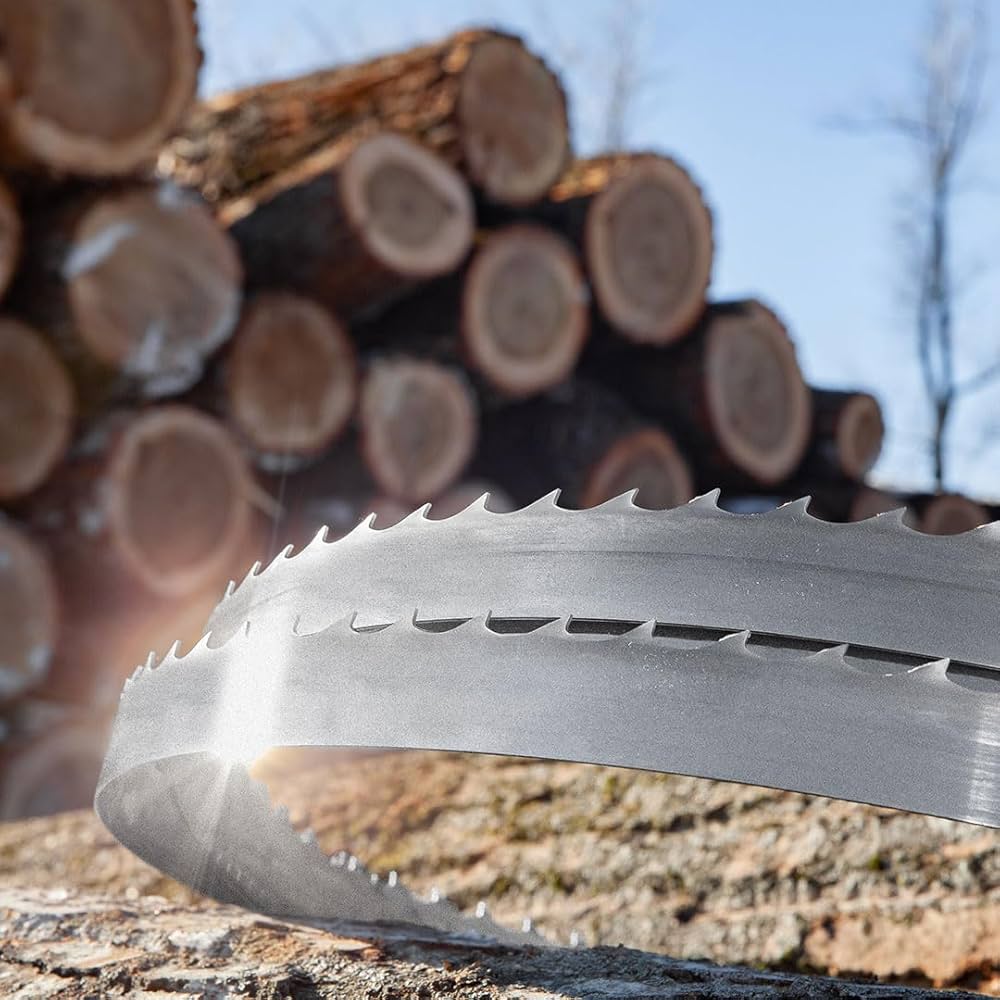
Carbon steel blades are widely used for general-purpose cutting due to their flexibility and ease of use. They are especially effective for materials that require a smoother cut without excessive wear on the blade.
These blades are commonly used in:
Their ability to bend without breaking makes them a dependable choice for jobs that require precision and control.
Carbon steel blades are designed to provide a balance of performance and affordability.
Choosing carbon steel blades offers several advantages, especially for lighter cutting tasks.
Carbon steel blades are commonly used in industries and projects that involve softer materials.
Typical applications include:
Understanding how carbon steel blades compare to other options can help you choose the right blade.
While they may not be ideal for heavy industrial use, they perform exceptionally well for everyday applications.
Carbon steel blades remain a popular choice due to their affordability, flexibility, and reliable performance. They are ideal for users who need a dependable blade for everyday cutting without the higher cost of premium materials.
Whether you are working on a professional project or a home improvement task, carbon steel blades provide a practical and effective solution.
Carbon steel blades are best suited for cutting wood, plastic, and softer materials where flexibility and smooth cutting are important.
They are durable for light to medium-duty tasks but may wear faster than bi-metal or carbide blades in heavy-duty applications.
They can cut softer, non-ferrous metals, but they are not ideal for hard or heavy-duty metal cutting.
Blade lifespan depends on usage and material, but they typically last longer when used on softer materials and maintained properly.
You should replace the blade when it becomes dull, starts producing rough cuts, or requires excessive force to cut.