

Used Bandsaw Inspection
Buying a used horizontal or vertical bandsaw? This printable checklist gives.
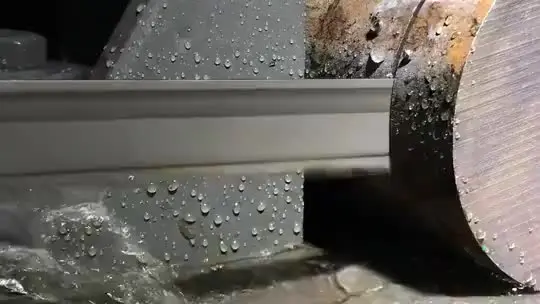
Proper blade tension is one of the most important factors affecting bandsaw performance in fabrication shops, machine shops, steel service centers, and industrial manufacturing facilities. When blade tension is incorrect, even high-quality metal-cutting bandsaw blades may produce crooked cuts, excessive vibration, premature blade breakage, poor finish quality, and inconsistent production results. Many operators focus heavily on blade selection while overlooking the critical role tension plays in maintaining cutting accuracy, blade life, and machine reliability. Unfortunately, blade tension problems are extremely common in industrial sawing operations because machines gradually fall out of calibration, guides wear over time, and operators often adjust tension by feel rather than using manufacturer specifications. Rocky Mountain Saw Blades helps Colorado fabrication shops and industrial facilities diagnose bandsaw blade tension problems through machine troubleshooting, blade optimization, and preventative maintenance support. Whether operating horizontal production saws, vertical saws, structural cutting systems, or industrial band saw machines, understanding how blade tension affects cutting stability can help reduce downtime, improve production consistency, and extend blade life significantly.
Bandsaw blade tension controls how rigidly the blade remains stretched between the machine wheels during operation. Proper tension allows the blade to resist twisting and flexing while maintaining a straight cutting path through the material. When tension is too loose or too tight, cutting performance suffers quickly.
Correct blade tension helps improve:
Low blade tension is one of the most common causes of crooked cuts and blade drift. An under-tensioned blade flexes excessively during cutting pressure and struggles to maintain a straight line through structural steel, stainless steel, tubing, aluminum, or solid material. Operators may notice tapered cuts, wandering blades, rough surfaces, or vibration during production cutting.
Excessive blade tension creates a different set of problems. Over-tightening places enormous stress on the blade body and weld area, increasing fatigue cracks and premature breakage. While some operators mistakenly increase tension to fix crooked cuts, this often masks larger machine problems involving guides, wheel alignment, or vibration.
According to Sawing Productivity Magazine, improper tension is one of the leading causes of premature blade failure and inconsistent cutting performance in industrial sawing operations. Tension becomes especially important during high-production cutting applications involving large structural material, bundled stock, stainless steel, or heavy-wall tubing where cutting forces increase substantially.
Signs of improper blade tension often include:
Because blade tension affects nearly every aspect of sawing performance, even small tension inconsistencies may reduce productivity and increase operational costs over time.
Many bandsaw tension issues are caused by more than simple operator adjustment errors. Industrial saws operate under constant stress, and machine wear gradually affects tension consistency over time. Even properly tensioned blades may perform poorly if guides, wheels, or hydraulic systems are worn or misaligned.
Several common machine-related problems contribute to tension instability:
Worn guides are especially problematic because they allow the blade to move excessively during cutting. This additional movement increases stress on the blade and may worsen drift, vibration, and uneven tooth wear. Guide spacing also matters significantly. If guides are positioned too far from the material, unsupported blade sections flex more under cutting pressure.
Wheel alignment problems may create uneven stress across the blade width. Over time, this repeated stress may cause cracking near the back edge or weld area. Poor wheel tracking also reduces cutting accuracy and increases vibration throughout the saw.
Hydraulic tension systems on industrial band saw machines may lose calibration gradually, causing tension inconsistencies even when operators follow standard settings. Manual gauges may also become inaccurate after years of production use.
Speed and feed settings can worsen tension-related issues as well. Aggressive feed pressure combined with improper tension may overload the blade, while insufficient feed pressure may create excessive heat and vibration.
Common warning signs of tension-related cutting problems include:
Colorado fabrication facilities operating during busy production periods often place additional stress on machines because saws may run continuously for extended shifts. Preventative maintenance and regular tension calibration become especially important during these high-demand production cycles.
Improper blade tension affects far more than cut quality alone. Inconsistent tension directly impacts blade lifespan, machine wear, production efficiency, and overall operating costs.
Low tension often increases:
Excessive tension may lead to:
Industrial fabrication shops frequently underestimate how much downtime results from recurring tension problems. Blade failures interrupt production schedules, delay customer orders, increase labor costs, and create unnecessary machine maintenance expenses.
Blade fatigue is one of the most serious long-term consequences of improper tension. Bandsaw blades continuously flex around machine wheels during operation. If tension is too high, repeated stress accelerates fatigue cracking. If tension is too low, instability and vibration create uneven loading throughout the blade body.
Material type also affects how tension problems appear during cutting. Stainless steel, tool steel, structural bundles, and large solid sections place greater pressure on blades than softer materials such as aluminum. These demanding applications require stable blade rigidity to maintain accurate cuts and reliable blade life.
Coolant performance also indirectly affects tension-related cutting issues. Excessive heat from poor lubrication or chip evacuation may increase blade stress and accelerate fatigue damage during difficult cutting applications.
Rocky Mountain Saw Blades helps Colorado fabrication shops diagnose tension-related cutting problems and identify machine conditions contributing to recurring blade failures or inconsistent cutting performance.
Maintaining proper blade tension requires more than occasional adjustment. Reliable sawing performance depends on consistent machine maintenance, accurate calibration, proper blade selection, and regular inspection practices.
Several best practices help improve tension stability and cutting reliability:
Operators should also inspect blades routinely for signs of uneven wear, cracking near the back edge, tooth damage, or twisting. Identifying these problems early often prevents larger production failures later.
Proper blade break-in procedures are equally important. New blades should initially operate at reduced feed rates to allow tooth edges to seat properly before full production cutting begins. Skipping break-in procedures may shorten blade life substantially.
Preventative maintenance programs help fabrication facilities maintain more consistent cutting performance by identifying worn machine components before major failures occur. Important maintenance areas include guide bearings, wheel alignment, hydraulic systems, coolant delivery, and blade tracking adjustments.
Facilities experiencing recurring tension-related issues often benefit from professional bandsaw service in Denver to evaluate machine condition and restore proper cutting stability.
Rocky Mountain Saw Blades works with fabrication shops, machine shops, and industrial manufacturers throughout Colorado to improve sawing reliability through expert troubleshooting, blade optimization, and machine support designed to reduce downtime and improve production efficiency.
Low tension may cause crooked cuts, excessive vibration, blade drift, uneven tooth wear, and poor cutting accuracy.
Yes. Over-tensioning may create fatigue cracks, weld failures, shortened blade life, and increased machine wear.
Common warning signs include drifting cuts, vibration, cracking near the blade’s back edge, poor finish quality, and premature blade failure.
Yes. Worn or misaligned guides allow excessive blade movement, increasing instability and worsening tension-related cutting problems.
Yes. Tension systems, wheel alignment, guides, and tracking should be inspected regularly to maintain consistent cutting performance.
If your Colorado fabrication shop or manufacturing facility is experiencing bandsaw blade tension problems, Rocky Mountain Saw Blades can help diagnose cutting issues and improve machine performance through expert troubleshooting, preventative maintenance support, and optimized blade solutions.