

Common Bandsaw Blade
Rocky Mountain Saw Blades breaks down common bandsaw blade tension problems,.
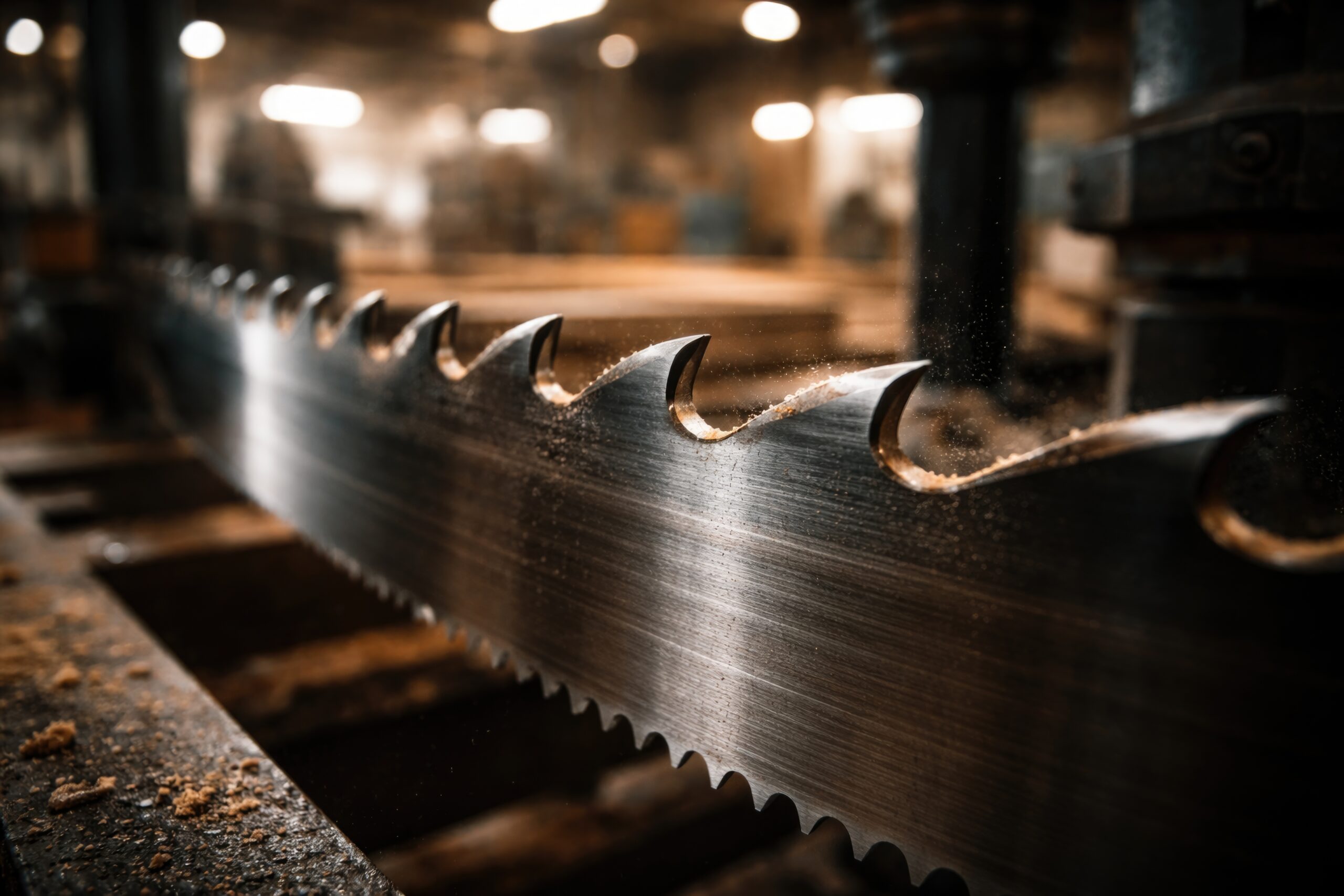
Structural steel fabrication demands precision, durability, and production efficiency, especially during Colorado’s busy fall construction season when fabrication shops experience increased workloads and tighter production schedules. Across Denver and surrounding industrial markets, fabricators routinely cut beams, angle iron, tubing, channels, plate, and heavy structural material for commercial construction, infrastructure projects, manufacturing, oil and gas operations, and industrial development.
These demanding cutting applications place enormous stress on bandsaw blades and industrial saw systems, particularly when shops process large steel sections continuously throughout long production shifts. Choosing the best bandsaw blade for structural steel is critical for improving cut quality, extending blade life, reducing downtime, and maintaining production consistency during heavy fabrication workloads.
Rocky Mountain Saw Blades helps Denver structural steel fabricators identify high-performance metal cutting bandsaw blades and carbide bandsaw blade solutions designed specifically for structural steel applications. Whether cutting I-beams, angle iron, pipe, tubing, or bundled steel sections, selecting the right blade configuration can significantly improve throughput while lowering long-term operating costs.
Structural steel cutting creates unique demands that differ significantly from standard metal cutting applications. Large steel sections generate high cutting pressure, increased vibration, and substantial heat buildup, especially when cutting thick-wall beams or bundled material continuously throughout production shifts. Structural profiles also create inconsistent cutting engagement because blades move through alternating solid sections, gaps, corners, and varying wall thicknesses during each cut.
Several factors make structural steel difficult to cut efficiently:
Structural steel fabricators in Denver commonly process:
These materials often require aggressive cutting performance while maintaining accuracy and blade durability over extended production cycles. Improper blade selection frequently leads to crooked cuts, tooth stripping, excessive vibration, poor finish quality, and premature blade failure.
According to Fabricating & Metalworking Magazine, many fabrication facilities lose significant production efficiency because blades are not optimized for structural cutting conditions. Standard general-purpose blades may perform adequately for lighter applications but often struggle during high-volume structural steel production involving large cross-sections and interrupted cuts.
Colorado fabrication shops also experience increased demand during fall construction and infrastructure seasons when commercial projects accelerate before winter weather conditions arrive. Production schedules tighten, machine uptime becomes more important, and downtime from blade failure can quickly disrupt fabrication timelines.
Because structural steel applications involve both heavy cutting pressure and varying material geometry, blade stability becomes essential for maintaining reliable cutting performance.
Selecting the best bandsaw blade for structural steel depends on material size, wall thickness, production volume, machine capability, and desired cutting speed. While bi-metal blades remain highly effective for many applications, carbide bandsaw blades often provide major advantages in high-production structural cutting environments.
Important blade selection factors include:
Variable pitch metal cutting bandsaw blades are especially effective for structural steel because they reduce harmonic vibration and improve cutting stability during interrupted cuts. Alternating tooth spacing helps minimize chatter as the blade transitions between solid sections and gaps commonly found in beams and structural profiles.
Bi-metal blades are widely used because they provide:
For heavier production environments, carbide bandsaw blades may offer significant performance improvements. Carbide-tipped blades are designed to withstand higher cutting temperatures and maintain sharp cutting edges much longer during continuous industrial sawing operations.
Carbide bandsaw blades often improve:
These advantages become especially valuable when cutting:
Tooth pitch selection is equally important. Using too many teeth may overload gullets with chips and increase heat buildup, while too few teeth may cause aggressive vibration and tooth stripping.
General structural steel pitch recommendations include:
Rocky Mountain Saw Blades works with Denver fabrication shops to identify application-specific blade solutions designed to maximize cutting efficiency while minimizing downtime during demanding structural steel operations.
Structural steel cutting places tremendous stress on both the blade and machine. Without proper blade selection and machine setup, several performance problems commonly develop during production.
Some of the most common structural steel cutting issues include:
Interrupted cuts are one of the biggest challenges in structural fabrication. As the blade repeatedly enters and exits varying material thicknesses, shock loads develop along the tooth edge. These repeated impacts may accelerate fatigue and increase the risk of tooth damage if the blade geometry is not designed for structural cutting applications.
Improper speed and feed settings also contribute heavily to blade problems. Structural steel requires balancing cutting pressure carefully to avoid overloading teeth while maintaining enough feed pressure to prevent rubbing and heat buildup.
Signs of improper cutting conditions include:
Machine condition is another major factor affecting blade performance. Worn guides, poor wheel alignment, loose bearings, or unstable hydraulic feed systems may worsen vibration and reduce cut accuracy significantly during structural cutting operations.
Coolant systems also play a critical role in maintaining blade life during heavy structural cutting. Proper coolant flow helps reduce heat buildup, lubricate the cutting zone, and flush chips away from the blade gullets. Poor coolant performance may accelerate tooth wear and reduce cutting efficiency substantially.
Denver fabrication facilities operating high-production saw systems during busy fall workloads often benefit from preventative maintenance inspections and cutting audits to improve machine stability and reduce operational downtime.
Fall is one of the busiest seasons for structural steel fabrication throughout Colorado. Commercial construction projects, infrastructure work, industrial development, and manufacturing demand often increase sharply before winter conditions affect outdoor operations. During these high-demand periods, fabrication shops rely heavily on machine uptime and efficient cutting performance to maintain schedules and profitability.
Improving structural steel cutting efficiency requires a combination of:
Shops focused only on minimizing blade purchase costs often experience higher long-term operating expenses because slower cutting speeds, excessive downtime, and frequent blade changes reduce overall productivity.
High-performance carbide and premium bi-metal bandsaw blades may help reduce:
Maintaining proper blade tension and guide alignment is especially important during continuous structural cutting operations. Large beams and heavy tubing create substantial cutting pressure that may amplify even small alignment problems during long production runs.
Preventative maintenance areas should include:
Rocky Mountain Saw Blades helps Denver structural steel fabricators improve production efficiency through application-specific blade recommendations, cutting optimization support, and high-performance blade solutions designed for demanding industrial workloads.
For fabrication facilities managing heavy fall production schedules, choosing the right structural steel bandsaw blade can significantly improve throughput, reliability, and long-term operational profitability.
Variable pitch bi-metal and carbide bandsaw blades are commonly recommended for structural steel because they reduce vibration and improve blade durability.
Interrupted cuts, varying wall thickness, and heavy cutting pressure create harmonic vibration and shock loads during structural cutting operations.
Yes. Carbide blades often provide longer blade life, faster cutting speeds, and improved productivity in high-volume structural fabrication environments.
Variable pitch blades are typically preferred because they reduce chatter and improve cutting stability across mixed structural profiles.
Proper blade selection, preventative maintenance, coolant management, and optimized speed and feed settings all help improve production reliability.
If your Denver fabrication shop needs high-performance bandsaw blades for structural steel cutting, Rocky Mountain Saw Blades can help you select durable blade solutions designed to improve cut quality, reduce downtime, and maximize productivity during demanding production workloads.