

Used Bandsaw Inspection
Buying a used horizontal or vertical bandsaw? This printable checklist gives.
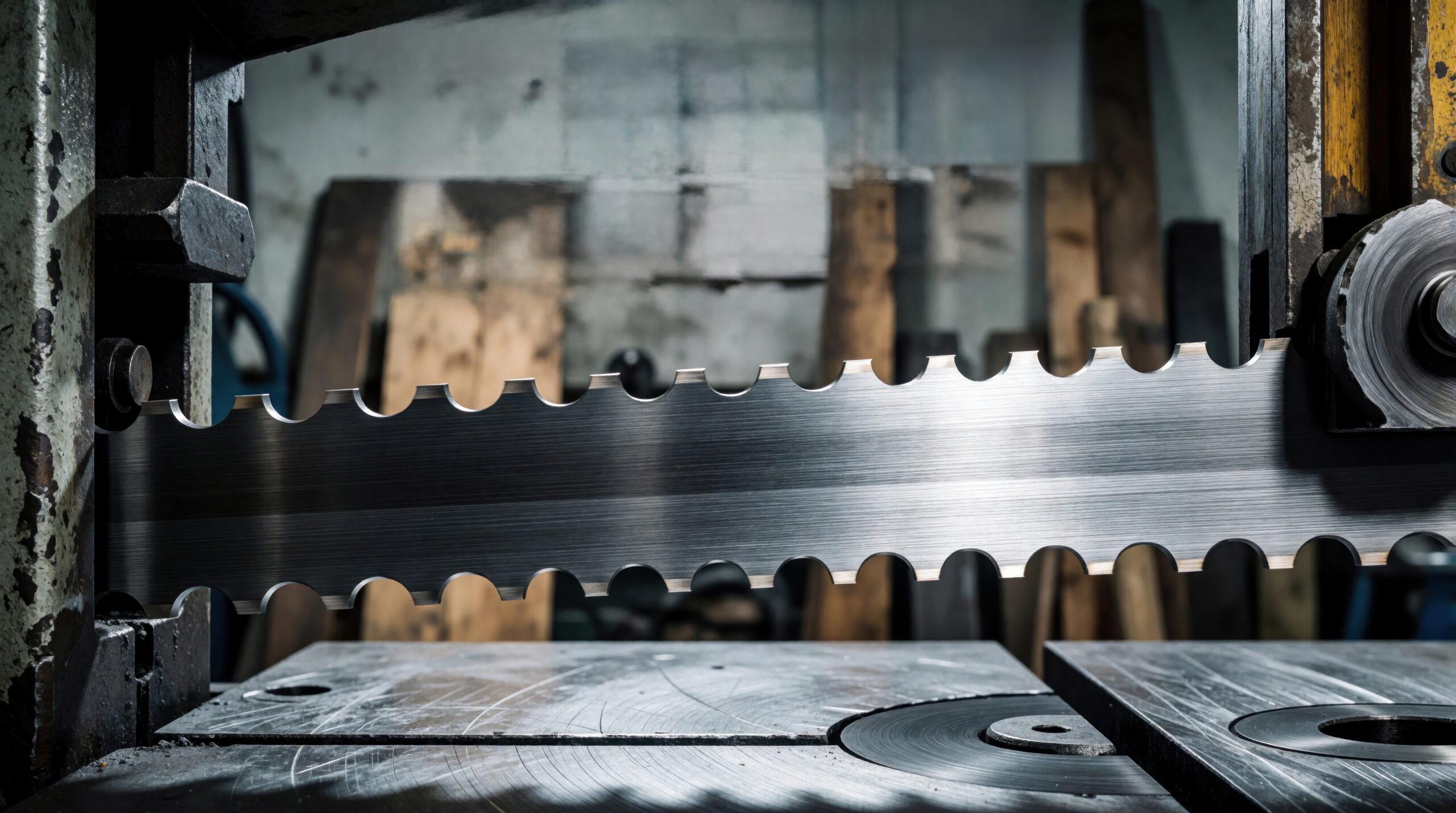
Bundle cutting is one of the most demanding applications in industrial sawing operations. Fabrication shops, steel service centers, manufacturing plants, and industrial production facilities throughout Colorado frequently cut bundles of tubing, pipe, bar stock, angle iron, and structural steel to improve throughput and reduce production time. While bundle cutting increases efficiency when performed correctly, it also places significantly greater stress on bandsaw blades and industrial saw systems compared to single-piece cutting applications.
Improper blade selection, unstable material clamping, poor feed rates, and incorrect machine setup often lead to vibration, crooked cuts, tooth stripping, blade breakage, and inconsistent production performance. Choosing the right bundle cutting bandsaw blade is critical for maintaining cut accuracy, maximizing blade life, reducing downtime, and improving overall production efficiency. Rocky Mountain Saw Blades helps Colorado fabrication shops and industrial facilities optimize bundle cutting operations through high-performance band saw blades for pipe cutting, structural steel cutting, and heavy-duty industrial applications.
Whether cutting bundles of pipe, tubing, solid bar stock, or structural material, understanding proper blade selection and setup techniques can significantly improve productivity while reducing operational costs.
Bundle cutting differs from standard sawing because the blade cuts through multiple pieces of material simultaneously rather than a single solid workpiece. While this approach improves throughput, it also introduces varying cutting pressures, interrupted cuts, vibration, and inconsistent material engagement throughout the cutting cycle.
Several factors make bundle cutting more difficult than single-piece cutting:
As the blade moves through a bundle, teeth repeatedly enter and exit gaps between materials. This interrupted cutting action creates shock loading that places substantial stress on blade teeth and the blade body. Without the proper blade configuration, these repeated impacts may quickly damage teeth or reduce cut accuracy.
Bundle cutting applications commonly involve:
Tube and pipe bundles can be especially difficult because hollow materials create repeated interrupted cuts throughout the sawing process. Structural bundles involving angle iron, channel, or tubing often generate heavy vibration if tooth pitch and machine setup are not optimized correctly.
According to Sawing Productivity Magazine, vibration control is one of the most important factors affecting bundle cutting efficiency and blade life. Even high-quality blades may fail prematurely if bundles are not secured properly or if blade geometry is not designed for interrupted cutting applications.
Colorado fabrication shops operating during high-demand production seasons often rely heavily on bundle cutting to maintain throughput and reduce labor costs. However, maximizing productivity requires careful attention to both blade selection and machine stability.
Blade selection is one of the most important decisions affecting bundle cutting performance. Standard general-purpose blades may work for lighter cutting tasks, but demanding production environments often require specialized blade configurations designed specifically for interrupted cutting applications.
Important blade selection factors include:
Variable pitch bandsaw blades are commonly recommended for bundle cutting because they help reduce harmonic vibration and improve cutting stability. Alternating tooth spacing breaks up vibration patterns that develop when blades repeatedly enter and exit multiple materials during cutting.
Bi-metal blades remain highly popular for bundle cutting because they provide:
For heavier industrial applications, carbide bandsaw blades may provide additional advantages, especially when cutting:
Carbide blades often deliver longer blade life and faster cutting speeds during demanding production cycles, although they require stable machine conditions and proper setup to perform effectively.
Tooth pitch selection is especially critical during bundle cutting. Too many teeth engaged in the material may overload gullets with chips and increase heat buildup. Too few teeth may create aggressive cutting pressure that damages teeth or destabilizes the cut.
General bundle cutting pitch recommendations include:
Rocky Mountain Saw Blades helps Colorado fabrication facilities select optimized bundle cutting blade configurations based on material type, bundle size, production volume, and machine capability.
Even the best bundle-cutting bandsaw blade may perform poorly if the machine setup is unstable or improperly configured. Bundle cutting amplifies vibration and cutting pressure significantly, making machine condition and material clamping extremely important.
Proper bundle setup should focus on:
Loose bundles are one of the leading causes of vibration and crooked cuts. If individual pieces move during cutting, the blade experiences inconsistent loading that may damage teeth and reduce cut accuracy.
Important setup considerations include:
Guide systems are especially important because they stabilize the blade during interrupted cuts. Worn or poorly adjusted guides allow excessive lateral movement that may increase drift and vibration.
Blade tension also plays a major role in maintaining straight cuts during bundle cutting operations. Under-tensioned blades may flex excessively under load, while over-tensioned blades may develop fatigue cracks prematurely.
Speed and feed settings must also be optimized carefully. Bundle cutting generally requires balancing feed pressure to maintain cutting efficiency without overloading blade teeth during interrupted cutting transitions.
Common signs of poor machine setup include:
Industrial saws used for bundle cutting should also undergo regular preventative maintenance inspections to ensure wheel alignment, guide condition, hydraulic systems, and vibration control remain within specification.
Facilities experiencing recurring bundle cutting problems often benefit from working with an experienced industrial saw blade supplier in Colorado capable of evaluating both blade selection and machine setup together.
Bundle cutting can dramatically improve production efficiency when cutting operations are optimized correctly. However, maximizing productivity requires balancing throughput with blade durability, machine reliability, and cut quality.
Several best practices help improve bundle cutting performance:
Coolant performance is particularly important during production bundle cutting because interrupted cuts generate substantial heat and chip buildup. Proper coolant flow helps lubricate the cutting zone while flushing chips from the blade gullets.
Operators should also monitor chip formation regularly. Healthy cutting conditions generally produce:
Powdery chips, excessive burrs, or blue heat discoloration may indicate improper feed pressure or blade speed.
High-production fabrication facilities often reduce long-term operating costs by investing in premium blades optimized specifically for bundle cutting applications. Although premium bi-metal and carbide blades involve higher upfront costs, they frequently reduce:
Preventative maintenance also becomes increasingly important during high-volume bundle cutting operations. Important maintenance areas include guide bearings, wheel alignment, hydraulic feed systems, coolant filtration, and blade tracking calibration.
Rocky Mountain Saw Blades works with fabrication shops, steel service centers, and manufacturing facilities throughout Colorado to improve bundle cutting efficiency through application-specific blade recommendations and technical support designed for demanding industrial production environments.
Variable pitch bi-metal and carbide bandsaw blades are commonly recommended because they reduce vibration and improve interrupted cutting performance.
Bundle cutting creates interrupted cuts as the blade repeatedly enters and exits multiple materials, increasing harmonic vibration and shock loading.
Common materials include tubing, pipe, structural steel, bar stock, angle iron, channel, and mixed profile bundles.
Proper blade selection, secure clamping, optimized feed rates, stable machine setup, and preventative maintenance all improve productivity.
Variable pitch tooth spacing helps reduce vibration and chatter during interrupted cutting applications involving bundles and structural profiles.
If your fabrication shop or industrial facility needs high-performance bundle cutting bandsaw blades, Rocky Mountain Saw Blades can help you improve cutting efficiency, reduce downtime, and optimize production performance across demanding bundle cutting applications.