

Bandsaw Blade Inventory
A simple system for bandsaw blade inventory management in fabrication shops:.
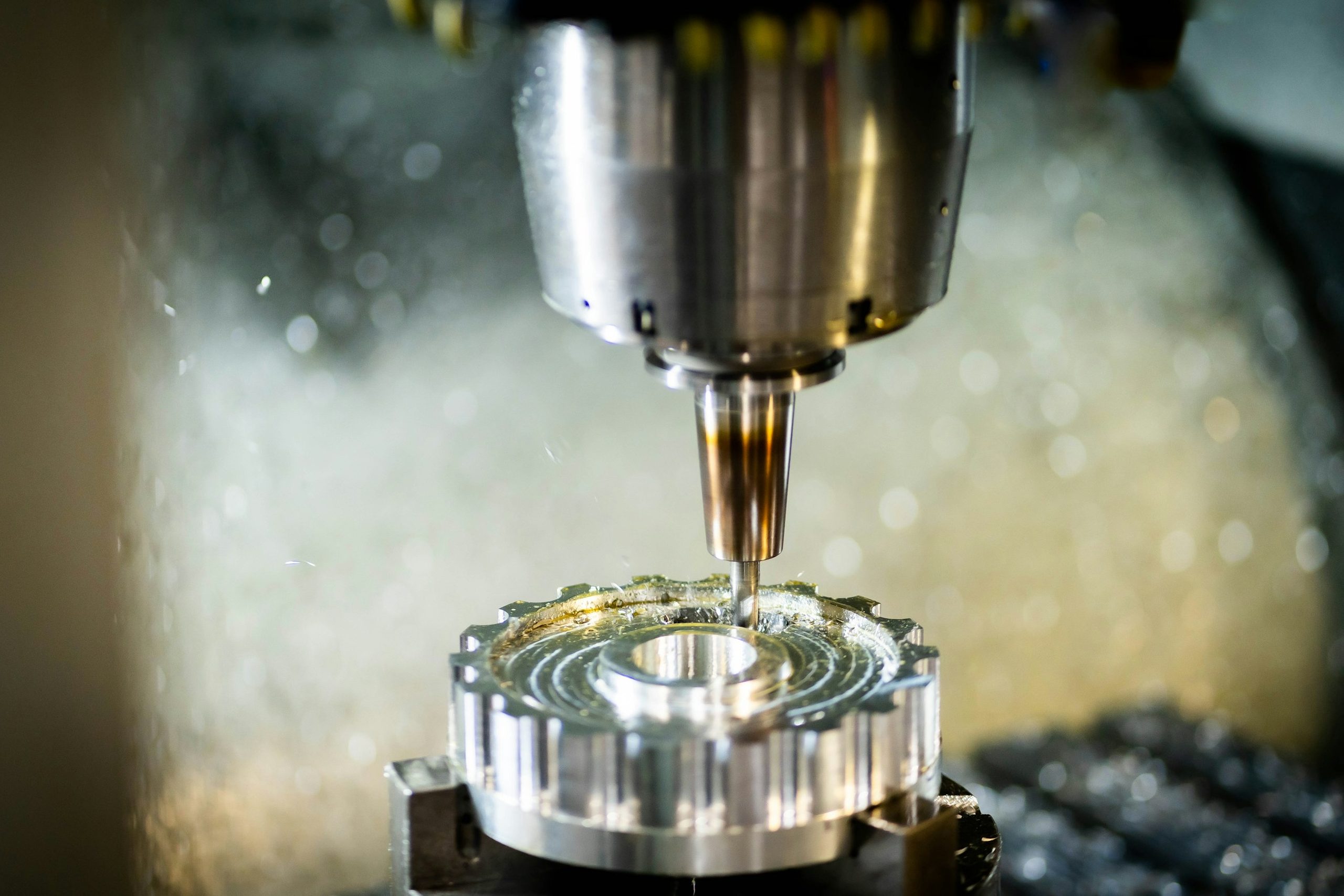
Bandsaw coolant concentration decides whether your sump protects the blade and the machine or slowly works against them. Too lean and you get rust, rancid smells and shorter blade life. Too rich and you get sticky residue, foam and wasted concentrate. At Rocky Mountain Saw Blades, we see plenty of shops that mix by eye and never check the sump until something goes wrong. This guide shows you how to set a mix ratio, test it with a refractometer, and correct it with simple math.
Early November is a good time to get this right, since Colorado cold snaps and dry winter air push sumps out of range just as crews start winterizing.
Concentration is the percentage of coolant concentrate in the finished mix. A 7% mix means 7 parts concentrate in every 100 parts of fluid, with the other 93 parts water.
Labels often state a ratio instead, like 10:1 or 20:1, which usually means parts of water to one part concentrate. So a 10:1 mix is 1 part in 11, or about 9.1%, not 10%. Convert everything to percent before you do any correction math.
| Ratio (water : concentrate) | Concentration |
|---|---|
| 5:1 | 16.7% |
| 10:1 | 9.1% |
| 15:1 | 6.3% |
| 20:1 | 4.8% |
| 25:1 | 3.8% |
| 30:1 | 3.2% |
Your target comes from the coolant maker, not from this table. Products run at different strengths, and tougher materials often call for the richer end of a product’s range. If you run the AM2000 or AM5000 coolants we carry, see our coolants page or call us to confirm the right concentration for your material and saw.
For a 5-gallon premix bucket (640 fluid ounces), these amounts get you close:
| Target concentration | Concentrate | Water |
|---|---|---|
| 5% | 32 oz | about 4.75 gal |
| 6% | 38 oz | about 4.7 gal |
| 8% | 51 oz | about 4.6 gal |
| 10% | 64 oz | about 4.5 gal |
Wear gloves and eye protection when handling concentrate, and keep the product’s Safety Data Sheet where operators can find it.
A handheld refractometer is the standard tool for checking coolant. It reads the fluid on the Brix scale, and you convert that reading to concentration with a factor from the coolant maker.
To confirm the factor with your water, mix 1 ounce of concentrate into 19 ounces of shop water for a 5% sample. Read it and divide 5 by the Brix reading. That’s your factor.
A blurry or doubled line usually means tramp oil from way oil, hydraulic leaks or gear lube. Tramp oil also tends to read high, so the sump may be leaner than it looks. Remove the tramp oil, re-sample and read again.
Test production saws at least weekly, more often in winter, and act on the gap between reading and target. “Points” means percentage points, so 5% against a 7% target is 2 points low.
| Reading vs. your target | What it usually means | What to do |
|---|---|---|
| More than 2 points low | Sump is lean. Rust, bacteria and shorter blade life follow. | Use the correction math below, circulate, and retest in 30 minutes. |
| 1 to 2 points low | Drifting lean, often from topping off with straight water | Top off with a slightly richer premix until the reading comes back. |
| Within 1 point | In range | Log the reading. No change needed. |
| 1 to 2 points high | Drifting rich, usually from evaporation | Top off with water or a lean premix instead of full-strength mix. |
| More than 2 points high | Sump is rich. Residue, foam and skin irritation become more likely. | Use the correction math below to add water or drain and replace part of the sump. |
| Line is fuzzy or hard to read | Tramp oil or contamination | Remove tramp oil and retest. If it stays fuzzy, plan a clean-out. |
Use gallons or liters, as long as you stick with one unit. V is the volume in the sump now, C is the current concentration, T is the target, and P is the concentration of the premix you’re adding.
Straight concentrate to add = V × (T − C) ÷ (100 − T)
Example: a 40-gallon sump reads 4% and your target is 7%. 40 × 3 ÷ 93 = about 1.3 gallons of concentrate. Some products tolerate adding concentrate slowly into a running sump; others call for premixing. Follow the label.
Rich premix to add = V × (T − C) ÷ (P − T)
Example: the sump has dropped to 30 gallons at 4% and you want 7%, using a 15% premix. 30 × 3 ÷ 8 = about 11.3 gallons of premix.
Water to add = V × (C − T) ÷ T
Example: 30 gallons at 11%, with an 8% target. 30 × 3 ÷ 8 = about 11.3 gallons of water.
If the sump is already full, drain part of it first:
Amount to drain and replace with water = V × (1 − T ÷ C)
Example: a full 40-gallon sump reads 12% and you want 8%. 40 × (1 − 0.667) = about 13.3 gallons drained and replaced with water.
Always recirculate and retest. The math gets you close; the refractometer confirms it.
A lean sump rarely announces itself all at once. Watch for:
That last one costs the most. Poor lubrication and heat at the tooth tip are common threads in early blade failure, covered in why bandsaw blades break and how to prevent it.
A rich sump shows tacky residue, foam, slippery floors and skin irritation, and it wastes concentrate.
Most of the mix is water, so your water quality becomes part of the coolant.
Front Range municipal water varies by source and season, and rural well water can be much harder. Your utility’s water quality report lists hardness, and test strips work for a quick check. If your water is hard, mixing or at least topping off with reverse osmosis or deionized water keeps minerals from building up.
Colorado winters are tough on water-based coolant, especially in unheated shops, outbuildings and yards.
This is where most coolant problems actually start:
It depends on the product and material. Many water-based bandsaw coolants run around 5% to 10%, but follow the coolant maker’s recommendation. A 10:1 mix is about 9.1%, not 10%. If you use one of our coolants, give us a call and we’ll help you set a target for your saw and material.
Zero it with clean water, take a sample from the running nozzle, put 2 to 3 drops on the prism, and read where the light and dark fields meet. Multiply that Brix reading by the product’s refractometer factor to get the concentration, then clean the prism and log the result.
Rust on the machine or parts, a sour smell, slime in the sump, chips welding to the teeth, a rougher finish and shorter blade life. If you see any of these, test the sump right away and correct it with the math above.
Keep the sump and the concentrate from freezing, mix at room temperature, and test more often, since dry winter air makes sumps drift rich. Don’t add antifreeze unless the coolant maker approves it, and circulate or drain the sump before a long shutdown in an unheated building.
If you’re not sure what concentration your saw should run, or your readings won’t stay in range, we can help. Tell us your coolant, saw and the materials you cut, and we’ll point you in the right direction. Contact Rocky Mountain Saw Blades or call 1-303-761-3000.